

What are Arabic perfumes and why have they taken over the world?
So what does “Arabic perfume” actually mean?
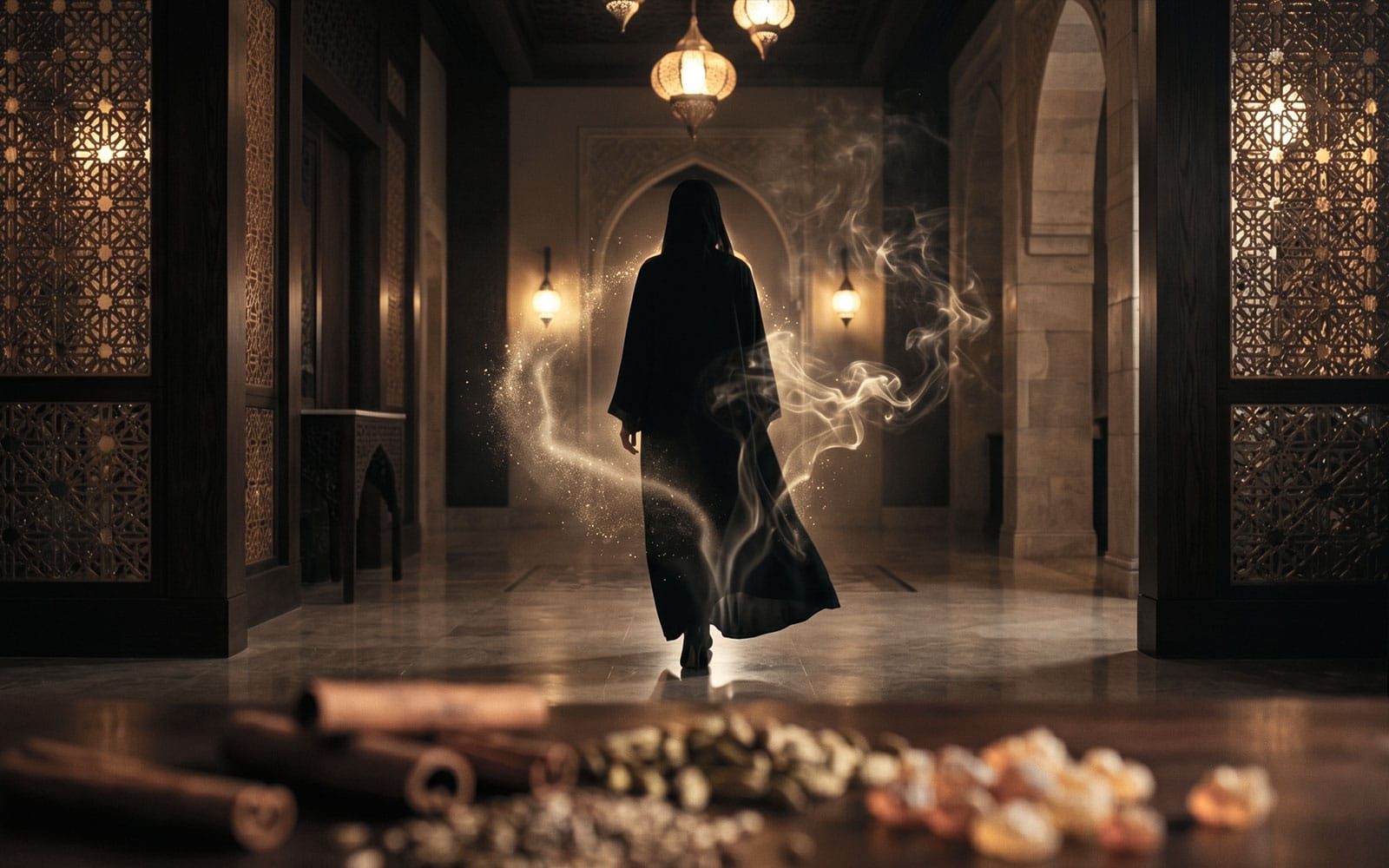
In this piece, we want to clearly explain what people really mean when they say “Arabic perfume,” how these fragrances differ from classic designer scents, and why Middle Eastern brands have become so incredibly popular worldwide. When we talk about Arabic perfumes, we’re usually referring to fragrances inspired by the rich perfume traditions of the Middle East and the Gulf region — countries like the UAE, Saudi Arabia, Oman, and others. In these places, fragrance isn’t just a product — it’s part of everyday culture and life.
Arabic perfumes are often known for being rich, bold, and long-lasting on the skin. That said, longevity isn’t a fixed rule — it depends on the formula, concentration, your skin type, and how you wear it. And it’s really not fair to simply compare them directly with Western designer or niche perfumes. They’re better understood as a completely different fragrance culture. Not every Arabic perfume is heavy, sweet, or intense. There are plenty of fresh, citrusy, fruity, powdery, clean, and elegant options that are very easy to wear. What many of them do share, however, is personality — they’re not made to quietly disappear into the background. Arabic perfumery tends to feel warmer, deeper, more sensual, and more expressive.
The scent culture of the Middle East
In the Middle East, fragrance plays a much bigger role in daily life than in most parts of the world. It’s deeply connected to hospitality, tradition, rituals, and even emotions. Scent isn’t just something you wear — it’s something you live with. In future posts, we’ll dive deeper into the natural materials behind these fragrances, but some of the most important ones are oud, bakhoor, attar, amber, resins, musk, spices, and rich woody notes. For now, here’s a simple breakdown of the key elements.
Key notes in Arabic perfumes
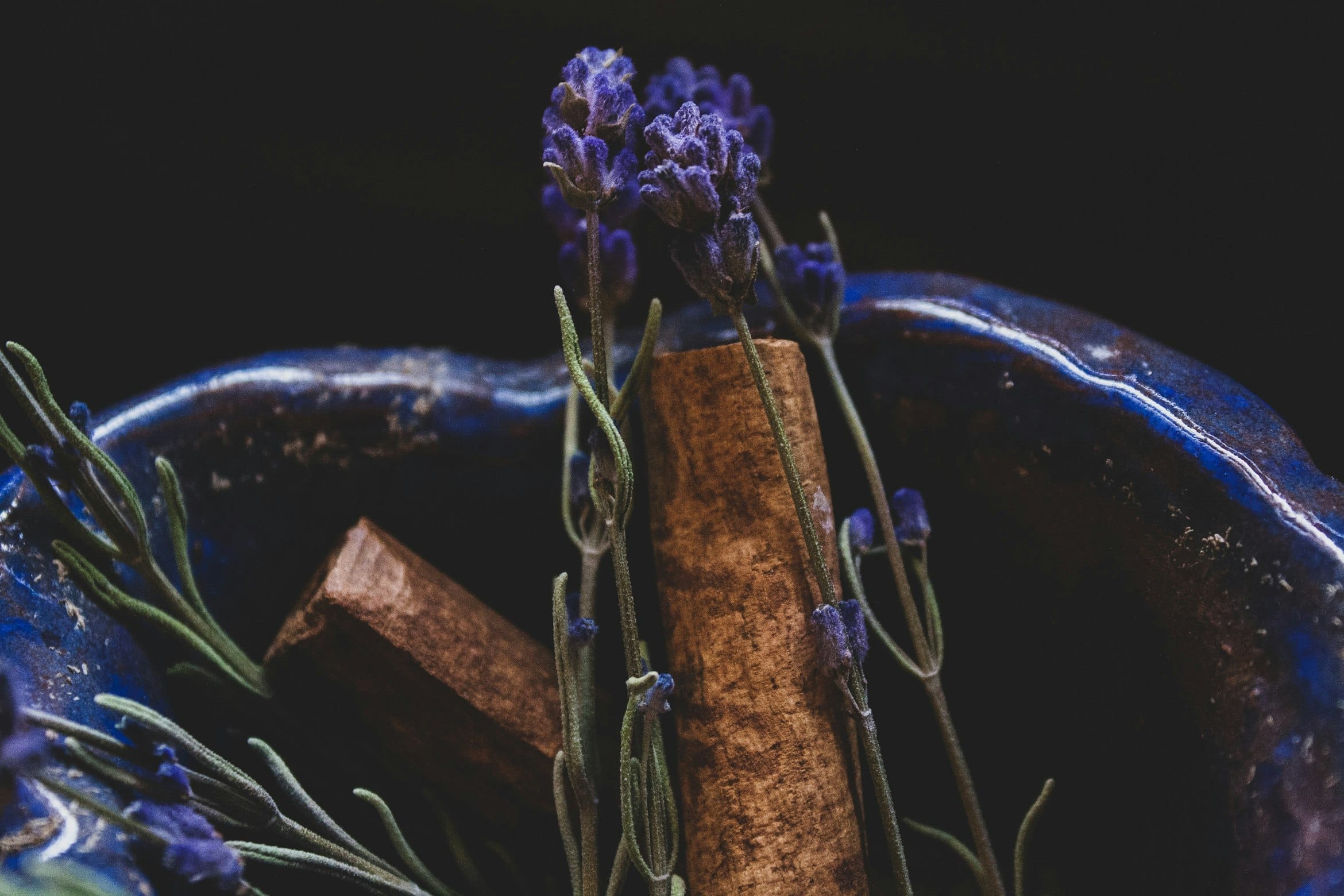
Bakhoor (smoky, cozy, mystical): A traditional home fragrance made from wood chips — often oud or sandalwood — soaked in oils and resins. It’s burned on charcoal or in electric burners, filling the space with a warm, inviting aroma.
Attar (rich, oily, long-lasting): A traditional alcohol-free perfume oil. Natural essences like rose, oud, and spices are distilled into sandalwood oil, creating highly concentrated fragrances that can last for hours, sometimes even days.
Bakhoor and attar aren’t single ingredients — they’re finished fragrance products made from natural materials.
Oud (deep, woody, resinous): One of the most valuable perfume ingredients in the world. It comes from agarwood trees that produce a dark resin when infected by a specific fungus. The process takes years, which is why real oud is so rare and expensive.
Resins (frankincense, myrrh, labdanum — warm, sacred, balsamic): These are hardened tree saps.
When trees in dry regions are cut, they release a sap that hardens into fragrant “tears,” used for centuries in rituals and incense.
Woody notes (sandalwood, cedar, patchouli — dry, creamy, earthy): These form the backbone of many perfumes, adding depth, structure, and warmth.
Spices (saffron, cardamom, clove — warm, vibrant, spicy): Sharp and dynamic notes that give a fragrance texture, warmth, or freshness.
Oud, resins, woody notes, and spices are natural materials harvested directly from nature and then processed to extract their aromatic concentrates. They are nature’s direct gifts—such as cedar bark or saffron powder—from which fragrant essences are obtained.
Amber (warm, sweet, golden): In perfumery, amber isn’t a single natural substance — it’s an accord, usually a blend of vanilla, resins, and balsamic notes that creates a warm, glowing effect.
Musk (clean, soft, sensual): Once obtained from the musk deer (a practice that is now prohibited), musk has long been produced entirely through synthetic means. These molecules give a fragrance longevity and act as fixatives, mimicking the scent of skin.
Amber and musk are fragrance profiles—specific scent accords created in laboratories to imitate natural aromas or enhance a perfume’s performance and lasting power.
How Arabic perfumes differ from classic ones
Designer fragrances often rely on freshness, citrus notes, clean-laundry accords, or light florals to appeal to the broadest possible audience. Western niche perfumes tend to focus on artistry, concepts, and unusual linear compositions—such as the scent of rain, leather, or wood—while Arabic perfumes often revolve around rich, warm, and resinous notes. Their main stars are oud, luxurious Taif rose, amber, musk, incense, and warm spices such as saffron and cardamom. The result is a fragrance that is deep, dark, often sweet, and exceptionally layered. At the same time, some of our favorite Arabic perfumes are summer creations with prominent floral and fruity notes, very similar to niche and designer fragrances. This shows that Eastern and Western perfume houses continually inspire one another, gradually blurring the boundaries between these worlds.
Some people will say that certain perfumes last longer and perform better than others, but longevity should never be promised without consideration. It depends on concentration, ingredients, skin chemistry, weather conditions, temperature, and application method. A fragrance that lasts all day on one person may fade much sooner on another.
That is why a perfume should always be chosen according to your skin, personal taste, and the occasion—not solely based on comments or online reviews. At Zahara Perfumery, in a unique and welcoming setting, you can explore, test, and discover fragrances that feel as though they were created especially for you.
Are Arabic perfumes for everyone?
Yes, absolutely! From personal experience and many real-life cases, we’ve seen that these are incredibly diverse scents that can appeal to a wide range of people. If you prefer light, clean, fresh fragrances, don’t start with the strongest oud perfumes. Instead, try white musk, citrus-amber compositions, soft vanilla, fresh spices, or elegant floral-oriental scents. If you love perfumes that leave a strong trail, then oud, amber, saffron, resins, leather, and sweet spicy notes will feel like home.
Many fragrances are designed for daytime and summer wear, light and refreshing, true mood lifters that project freshness for hours. Others are complex, warm compositions that shine best in colder weather or evening occasions. Arabic perfumes have conquered the world because they offer exactly what more and more people are looking for today: identity, depth, warmth, and a scent that doesn’t easily fade from memory.